It’s a familiar scene for many parents: a child, normally sweet, suddenly transforms into a whirlwind of defiance, demanding their way with an unyielding force. For fans of the beloved Australian cartoon Bluey, this description immediately brings to mind one character: Muffin Heeler. Her dramatic flair, the "I am a flamingo!" declaration, and her memorable "Muffin Cone" tantrum have cemented her as both a hilarious and, at times, polarizing figure. But beyond the laughs and exasperated sighs, a deeper look at Understanding Muffin Heeler's Toddler Behavior & Parenting Insights Reveals Important Lessons for us all.
Muffin, Bluey's energetic four-year-old cousin, acts as a vibrant, unfiltered mirror to the often-messy realities of early childhood development and the challenges—and triumphs—of parenting a spirited preschooler. She’s not just comic relief; she’s a masterclass in developmental psychology, serving up crucial insights wrapped in a charming, blue-heeler package.
At a Glance: Key Takeaways from Muffin's World
- Muffin's Behavior is Normal: Despite her intense reactions, Muffin's tantrums and emotional swings are typical for a preschooler exploring boundaries and emotions.
- Parental Unity is Power: Her most significant improvements stem from her parents, Stripe and Trixie, aligning their discipline strategies.
- Sleep is Non-Negotiable: Overtiredness is a massive trigger for challenging behavior in toddlers and preschoolers.
- Strong Personalities Can Be Directed for Good: Muffin learns to channel her assertiveness into positive advocacy.
- Patience and Consistency Pay Off: Positive change in a child's behavior is a journey, not a switch.
- Embrace the Mess and the Moment: Parenting young children is chaotic, but these fleeting years hold profound lessons and joy.
Muffin: More Than Just a "Naughty" Kid
When Muffin bursts onto the screen, it’s often with a dramatic flourish. Her brashness, her uncompromising demands, and her unforgettable "Muffin Cone" tantrum in "The Sleepover" episode have drawn comparisons to classic cartoon characters like Angelica Pickles. She’s the child who pushes every boundary, questions every rule, and often melts down spectacularly when things don't go her way. It's no wonder many parents nod knowingly, seeing glimpses of their own spirited little ones.
But to label Muffin simply as "naughty" misses the point entirely. She’s a four-year-old navigating a complex world of emotions, social rules, and the burgeoning understanding of her own agency. Her behavior, while challenging for her parents and sometimes frustrating for viewers, is a vivid portrayal of a child learning to understand and express big feelings. For a deeper dive into her character, you can explore All about Muffin from Bluey. She is, in essence, a high-energy preschooler whose emotional development is still very much a work in progress.
The Root of the Tantrum: Unpacking Muffin's Behavior
To genuinely understand Muffin, we need to look beyond the surface-level antics and consider the underlying causes of her most challenging moments. Bluey consistently provides context for her behavior, offering a roadmap for parents trying to decipher their own children's outbursts. This is crucial for understanding why Muffin sometimes acts out.
The "Faceytalk" Fiasco: Communication Breakdown
In the memorable "Faceytalk" episode, Muffin's intense resistance to screen time boundaries becomes a central plot point. We see her parents, Stripe and Trixie, struggling with their own communication regarding discipline. Stripe is often the more lenient parent, while Trixie tries to hold firmer lines. This inconsistency sends mixed signals to Muffin, who, like any clever preschooler, quickly learns to exploit the cracks in her parents' united front.
Parenting Insight: Children thrive on consistency. When parents are not aligned on rules and consequences, children become confused, feel insecure, and often push boundaries even harder to find where the "real" line is. This isn't about one parent being "good cop" and the other "bad cop"; it's about presenting a united front.
The "Sleepover" Saga: The Power of Rest
Perhaps Muffin's most iconic tantrum occurs in "The Sleepover," where she morphs into the "Muffin Cone" – an overtired, defiant mess who refuses to sleep, despite desperately needing it. At three years old (at the time of this episode), Muffin’s transition away from naps is presented as a major challenge, leading to her famously chaotic behavior.
Parenting Insight: This episode is a loud and clear alarm bell about the importance of sleep for toddlers. Overtiredness is a primary driver of challenging behavior in young children. When kids are short on sleep, their emotional regulation goes out the window, leading to increased irritability, meltdowns, and difficulty following directions. Prioritizing rest, even when it means adjusting routines or making tough calls, is sacred for both a child's well-being and a parent's sanity.
Developmental Norms: A Four-Year-Old's World
It's also important to remember how old Muffin is in Bluey – at the end of season three, she's four. This age is a whirlwind of rapid cognitive and emotional development. Four-year-olds are asserting their independence, testing limits, developing a stronger sense of self, and often struggling with impulse control. They're learning to negotiate, understand others' perspectives (or trying to!), and manage big emotions without the fully developed frontal lobe of an adult. Muffin’s behavior, while dramatic, falls well within the normal spectrum for a preschooler.
Parenting the "Muffin": Strategies from Stripe and Trixie
Muffin's narrative isn't just about her; it's a profound look at how her parents, Stripe and Trixie, navigate these challenging behaviors. Their journey offers valuable lessons for all of us.
1. Collaborative Parenting: The United Front
The most significant turning point for Muffin's behavior in "Faceytalk" comes when Stripe and Trixie finally get on the same page. They sit down, discuss their differing approaches, and commit to a shared strategy. This unity immediately impacts Muffin, who, now confronted with consistent boundaries, begins to adapt.
- Tip for Parents: Have open, honest conversations with your co-parent (or other primary caregivers) about discipline philosophies and strategies outside of a moment of conflict. Agree on key rules and consequences. Present a united front to your child, even if you disagree privately.
2. Setting Clear, Consistent Boundaries
Muffin’s struggles often revolve around boundary testing. She wants to be in charge, to dictate the terms. Stripe and Trixie learn to set clear limits and, crucially, enforce them consistently. Whether it's screen time, nap time, or play rules, the clearer and more predictable the boundaries, the more secure and less anxious a child often feels.
- Tip for Parents: Be explicit about rules. Use simple language. Explain the "why" where appropriate, but also understand that "because I said so" is occasionally necessary when safety or consistency is paramount. Then, stick to your guns.
3. Positive Reinforcement: Nurturing the Good
Muffin's redemption arc in "Grannies" is a fantastic example of positive reinforcement at work. Initially, she struggles with being "Gladys the grouchy granny," using her strong voice to be mean. However, when she channels that powerful voice to help a neighbor, Doreen, secure a fair price for a mobility scooter, she receives positive affirmation. This shows Muffin that her assertiveness, when used constructively and within boundaries, can be a force for good.
- Tip for Parents: Catch your child being good! Explicitly praise specific positive behaviors. Instead of "Good job," try "I noticed how you used your strong voice to help Doreen get a fair price, Muffin. That was very kind." This reinforces the desired behavior and helps the child understand what they did well.
The Muffin Redemption Arc: Learning and Growing
Muffin’s story isn't static. It's a testament to the fact that children, and indeed parents, are always capable of growth and positive change. Her journey highlights key stages:
- Initial Challenges: A child's natural temperament, combined with inconsistent parenting, can lead to frequent challenging behaviors.
- Parental Alignment: When caregivers unify their approach, the child gains clarity and security.
- Behavioral Adjustment: With consistent boundaries and positive reinforcement, the child begins to modify their behavior.
- Channelled Strengths: What once seemed like a "problem" (Muffin's assertiveness) can, with guidance, become a strength (advocacy).
Muffin's evolution teaches us that it’s never too late to adjust parenting strategies and that every child has the potential to learn, grow, and surprise us with their capacity for kindness and helpfulness.
Broader Parenting Lessons from Bluey's World (Beyond Muffin)
While Muffin provides specific insights into managing spirited toddlers, the entire Bluey universe is a goldmine of practical parenting wisdom. The show's honest depiction of family life offers universal truths, many of which can inform how we approach children like Muffin. You can learn so much from the best parenting lessons from Bluey.
1. Run Your Own Race: Embracing Unique Development
In "Baby Race," Chilli reflects on comparing Bluey's developmental milestones to other babies. The overwhelming lesson is that children meet milestones at their own pace. Just as Bluey wasn't the first to walk, Muffin’s emotional development and regulation will unfold uniquely.
- Takeaway: Avoid the comparison trap. Every child is different. Celebrate their individual progress, not how they measure up against others.
2. Parenting is Messy: Embrace the Chaos
The Heeler home and car are often gloriously messy. Toys, snack debris, dismantled play areas – it’s a realistic portrayal of life with young children. This mess is a sign of engaged play, which is the "work of childhood."
- Takeaway: Let go of perfection. A perfectly tidy home might come at the expense of spontaneous play and exploration. Embrace the temporary chaos and remember these years are short. This is part of how to parent like the Heelers.
3. The Grass Isn't Always Greener: Cultivating Gratitude
Whether it’s Bandit coveting a neighbor's pizza oven or Bluey feeling Bingo has "better" things, the show often touches on the dangers of comparison and the importance of gratitude.
- Takeaway: Teach children to appreciate what they have. Sometimes, the simplest experiences—like playing make-believe—are the most profound.
4. Share Experiences That Matter: Connection Over Consumption
Bandit often takes the girls to places from his own childhood, like "The Creek." These less-structured environments encourage exploration, discovery, and shared memories.
- Takeaway: Introduce your children to the joys of your own youth. Prioritize experiences and connection over material possessions. These moments build lasting bonds and create new stories.
5. Sleep Evades Us All: The Reality of Nighttime Parenting
"Sleepytime" beautifully illustrates the reality of children's restless sleep, midnight wanderings, and ending up in parents' beds. It acknowledges the relentless, yet loving, effort parents put into gentle nighttime care.
- Takeaway: Acknowledge that sleep challenges are common and normal in early childhood. Be patient, be kind to yourself, and remember that these phases eventually pass.
6. The Years Are Short: Cherish the Present
"Camping" shows Bluey forming a deep friendship with Jean-Luc, only to meet him again as a teenager, highlighting how quickly time passes.
- Takeaway: The days can feel long, but the years of raising young children fly by. Seize opportunities to find joy in daily interactions, as even small moments leave lasting impressions.
Common Questions & Misconceptions About Muffin's Behavior
Is Muffin a "bad" kid?
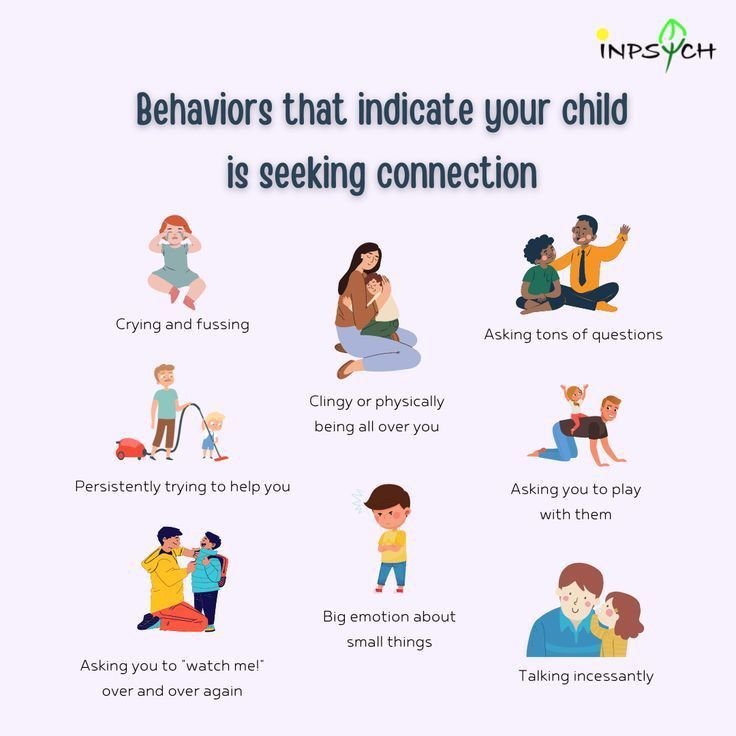
Absolutely not. Muffin is a character whose behavior, while intense, is typical for her developmental stage. She's learning to navigate big emotions, set boundaries, and understand social rules. Her "naughtiness" is often a cry for connection, consistency, or sleep, rather than inherent malice.
Are Stripe and Trixie "bad" parents?
Again, no. Stripe and Trixie are relatable parents doing their best. Their struggles with consistency and communication are common challenges many parents face. Their journey of learning, adapting, and ultimately aligning their parenting strategies demonstrates responsible and evolving parenthood. They show that it's okay to not have all the answers and to learn alongside your child.
Is her behavior really normal for a four-year-old?
Yes, much of it is. Preschoolers are notorious for testing boundaries, having emotional outbursts, and asserting their will. They lack the sophisticated emotional regulation skills of older children and adults. While Muffin's personality is certainly amplified for comedic and narrative effect, the core behaviors (tantrums, testing limits, strong opinions) are developmentally appropriate for her age.
Applying Muffin's Lessons to Your Family
Muffin Heeler, with all her fiery charm, offers more than just entertainment. She's a powerful teacher, reminding us of the fundamental truths of raising young children:
- Communicate with Your Co-Parent: Align your strategies. Discuss rules, expectations, and consequences before an incident. Present a united front.
- Prioritize Sleep: Seriously. An overtired child is an unhappy child (and likely, an unhappy household).
- Set Clear Boundaries, Consistently: Children feel more secure when they know where the lines are. Be firm but kind.
- Look Beyond the Behavior: Ask yourself why your child might be acting out. Is it hunger? Tiredness? A need for attention? A big emotion they can't articulate?
- Reinforce Positive Behavior: Actively seek out and praise your child when they make good choices or show positive traits. Help them connect their actions to positive outcomes.
- Embrace Imperfection: Parenting is messy, confusing, and often humbling. You won't get it right every time, and neither will your child. Give yourselves grace.
Beyond the Screen: Embracing the Journey
Muffin’s story is a beautiful illustration that parenting is a journey of continuous learning and adaptation, for both parent and child. It reminds us that even the most challenging behaviors often stem from understandable developmental stages or unmet needs. By observing Muffin Heeler’s toddler behavior and her parents’ insights, we gain not just a deeper appreciation for the Heeler family’s world, but also practical, empathetic tools to navigate the wild, wonderful, and sometimes exasperating world of our own spirited little ones. Embrace the chaos, cherish the moments, and remember, even a "Muffin Cone" eventually comes around.